


Moving Experiences
Motenashi Moments Don’t Automatically Create Great Journeys
“Moving house is very upsetting. It’s a big upsetment — people get upset.”
These words returned to me when I relocated from Tokyo to Chiba Prefecture last year. They are spoken by Bamber, the philosophical leader of a moving crew in The Chain (1984), a quietly comical film that follows a group of Londoners in a property chain.
Bamber tells his anxious customers that moving house is life’s third most stressful event, after bereavement and divorce. I can think of worse things, but relocation forces us to surrender routine, tolerate disorder, and entrust our possessions to strangers. Emotions swing from excitement about a fresh start to exasperation with tedious chores.
It is, in every sense, a moving experience.
________________________________________
Japan’s Competitive — and Choreographed — Moving Market
I began my search for a company to help me with the move on a comparison site, which surfaced a surprisingly diverse range of operators — from national brands to regional outfits and niche specialists. This is not a commoditized market. Japanese moving companies experiment actively with service models and technology to differentiate themselves.
Some dispatch professional packers to wrap every plate and picture frame. Others compete aggressively on price, quoting remotely by asking customers to walk through their homes using a smartphone camera.
I asked three firms to visit my Tokyo apartment on the same day to assess the job and submit quotations. What followed was a service ritual as polished as the moment an upmarket Ginza department store opens its doors for the day — deliberate, choreographed, emotionally reassuring.
Each smartly dressed salesman (they were all men) arrived on time, removed his shoes, produced his own slippers, laid a protective mat on the floor, and placed his briefcase — complete with portable printer — upon it before presenting his business card and proceeding methodically to assess the contents of the apartment, room by room.
It was a masterclass in motenashi: attentive, ritualized, respectful.
This was not empty theatre. The formal courtesy, careful room-by-room inventory, disciplined messaging, and high-quality collateral all signal reassurance at a decisive moment.

________________________________________
Sakai’s Strategic CX Focus
After comparing proposals, I chose Sakai Moving Service (Sakai Hikkoshi Center).
The representative made a compelling case — subtly highlighting competitors’ weaknesses while reinforcing Sakai’s strengths. Most interestingly for me, he revealed something about the company’s mindset.
Sakai, he explained with pride, ranks highly in independent customer satisfaction surveys. He also cited the company’s internal tracking of its “repeat rate” — the percentage of customers who return the next time they move.
It’s clear that Sakai connects customer satisfaction to business performance. The polish I experienced was deliberate — and strategically valued.
Sakai’s broader proposition reinforced this. The company partners with retailers and manufacturers to offer furniture and appliances that customers can order to be delivered to their new address on moving day. Its brochure doubles as a product catalogue. This reflects an understanding of relocation not merely as logistics, but as a life transition that creates adjacent needs — and incremental revenue opportunities.
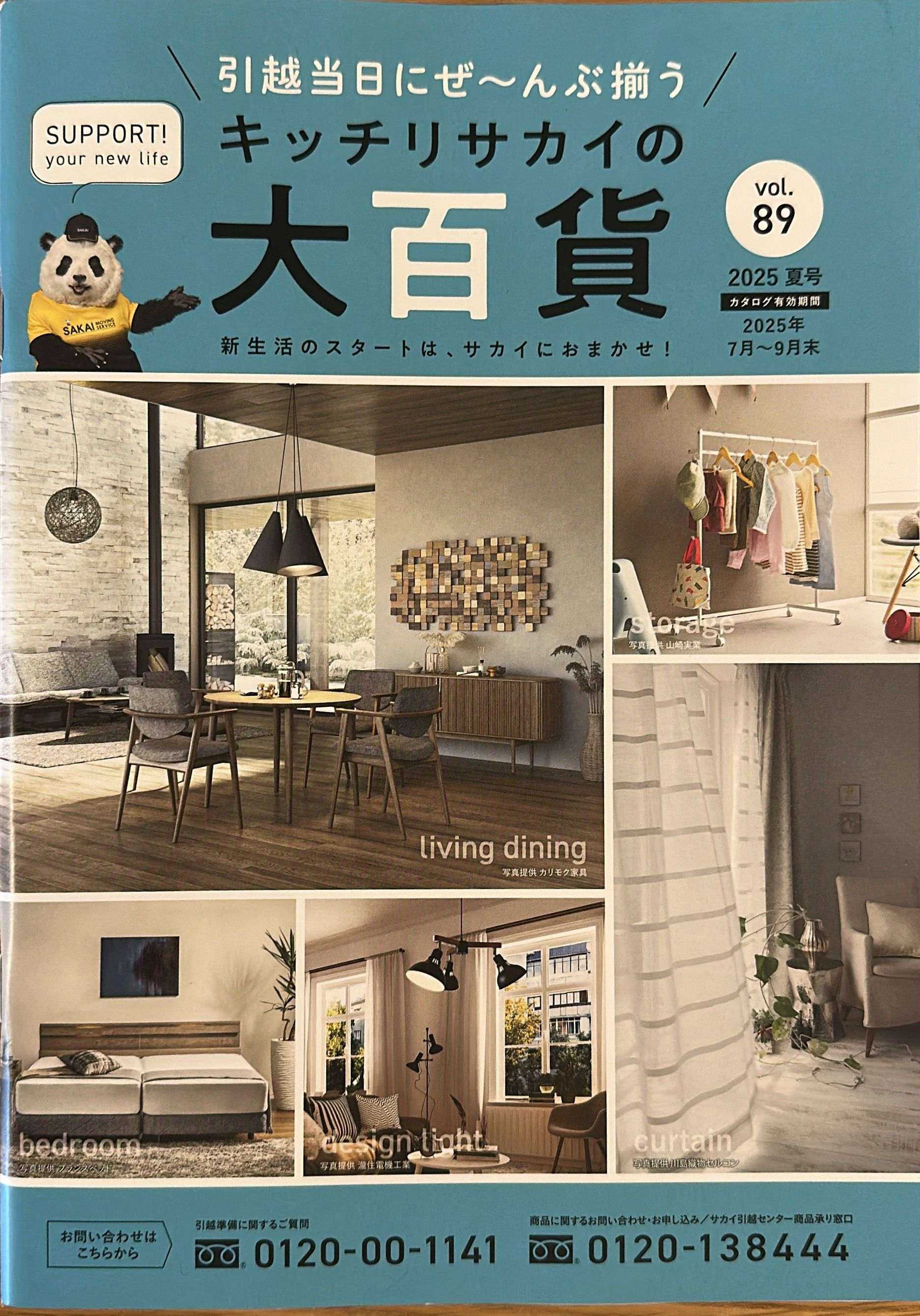
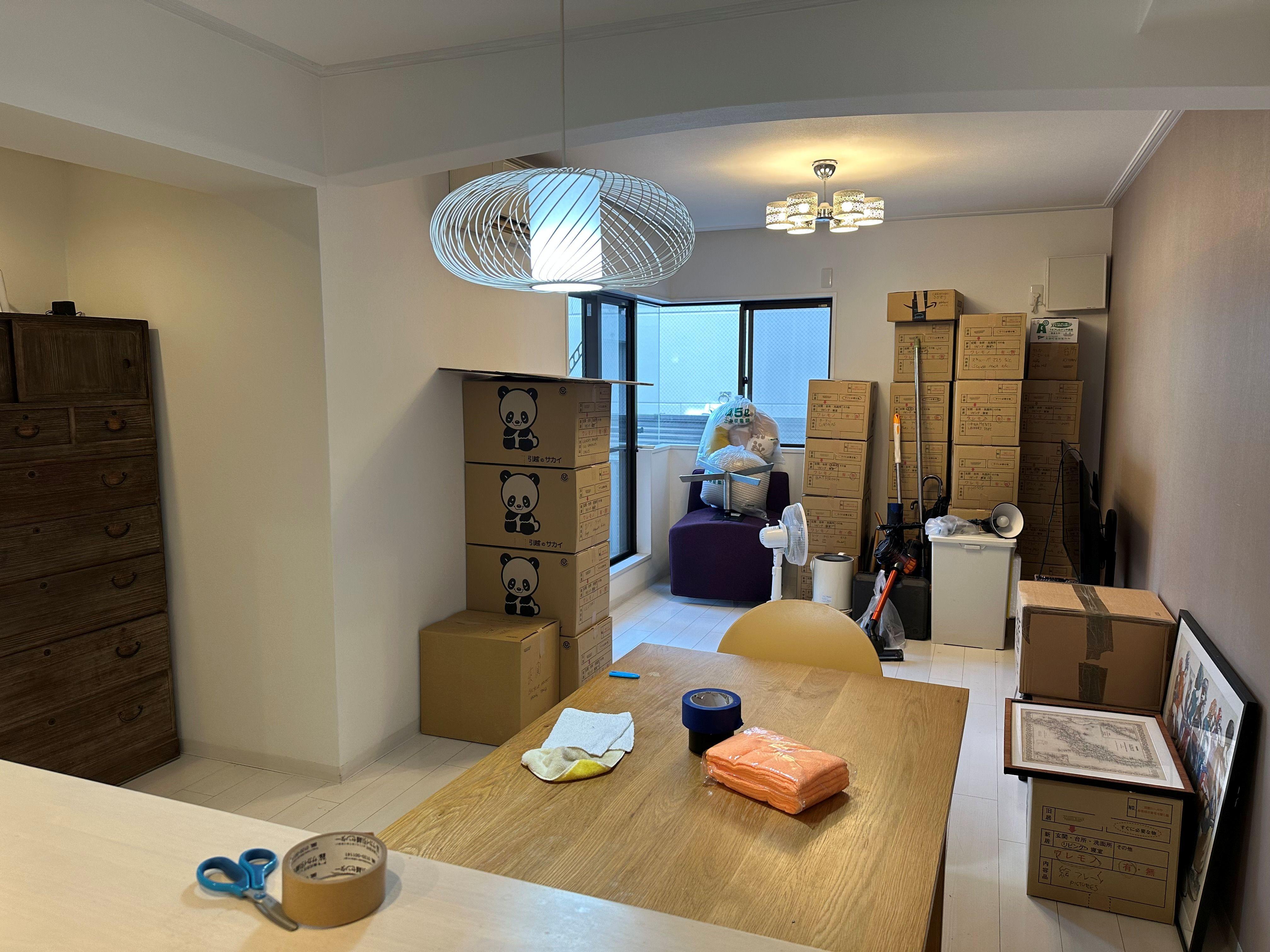
I called the Sakai representative that afternoon to confirm my decision. The next morning, a Sakai truck stopped by with packing materials — an impressive demonstration of back-end coordination.
Moving day was equally well handled. The crew apologized courteously to my neighbors, protected walls and floors, and handled everything with calm precision.
The sales visit was flawless.
The move itself went without a hitch.
So what was missing?
________________________________________
Customers Are in Motion — Even When Company Processes Are Not
With boxes in hand, I began packing and notifying banks, utilities, and insurers. Ten days passed. Surrounded by half-filled cartons, I realized I had heard nothing further from Sakai.
No confirmation of next steps.
No invoice.
It dawned on me that I had yet to make a formal contract.
With a rising pulse, I called the company. A polite agent completed the booking and confirmed payment details. Relief followed — but it was relief that should not have been necessary.
After that, almost a month of silence.
From the company’s process perspective, this was likely an inactive period. From mine, it was not.
Waiting customers are not inactive customers. They are often emotionally active customers.
What appears quiet inside the organization can be noisy inside the customer’s head. Doubts surface. Uncertainties grow. Additional needs emerge and go unaddressed.
In the time that I was waiting, I decided that I ought to replace my refrigerator. But by the time I called Sakai to place the order, it was too late to coordinate delivery with the move. My old fridge — door opening the wrong way — still stands in my new kitchen.
Sakai handled its visible moments with competence and polish. But it missed an easy upsell — and an opportunity to reduce uncertainty during a high-emotion journey.
________________________________________
From Moments to Journeys
Companies typically optimize sales interactions, service encounters, and operational execution. But a collection of well-executed touchpoints does not automatically add up to a well-managed journey.
The customer’s journey includes everything in between — the stretches where no one from the company is present, yet the experience is unfolding.
Companies that take journey management seriously make deliberate efforts to:
• Recognize that the journey is not the same as the company’s internal process
• Accept that unmanaged time amplifies emotion
• Develop insights through interviews, observations, and immersion with customers
• Bring those insights inside and map processes cross-functionally onto the journey
• Design continuity — not just great touchpoints
________________________________________
Moments of Theatre Are Not a Strategy
The pattern is not unique to moving services. Visible interactions are powerful. They matter and they get attention. Satisfaction surveys often ask customers to rate sales responsiveness, crew performance, agent knowledge, on-time delivery. Important metrics, all of them. Japanese companies often excel at finessing these points to the point of theatre.
In a mature, competitive market, however, real advantage comes from managing the emotional arc of the entire customer journey. That requires companies to understand what customers do between interactions, to measure the impact of customers’ unvoiced anxieties and concerns, and to find solutions (and opportunities) to problems that aren’t the company’s fault.